



Bethyl Laboratories
Rabbit anti-Phospho 53BP1 (S25) IHC Antibody Affinity Purified
Primary
Catalog #IHC-00053
Target53BP1 Phospho (S25)
HostRabbit
ClonalityPolyclonal
ReactivityMouse, Human
ApplicationIHC
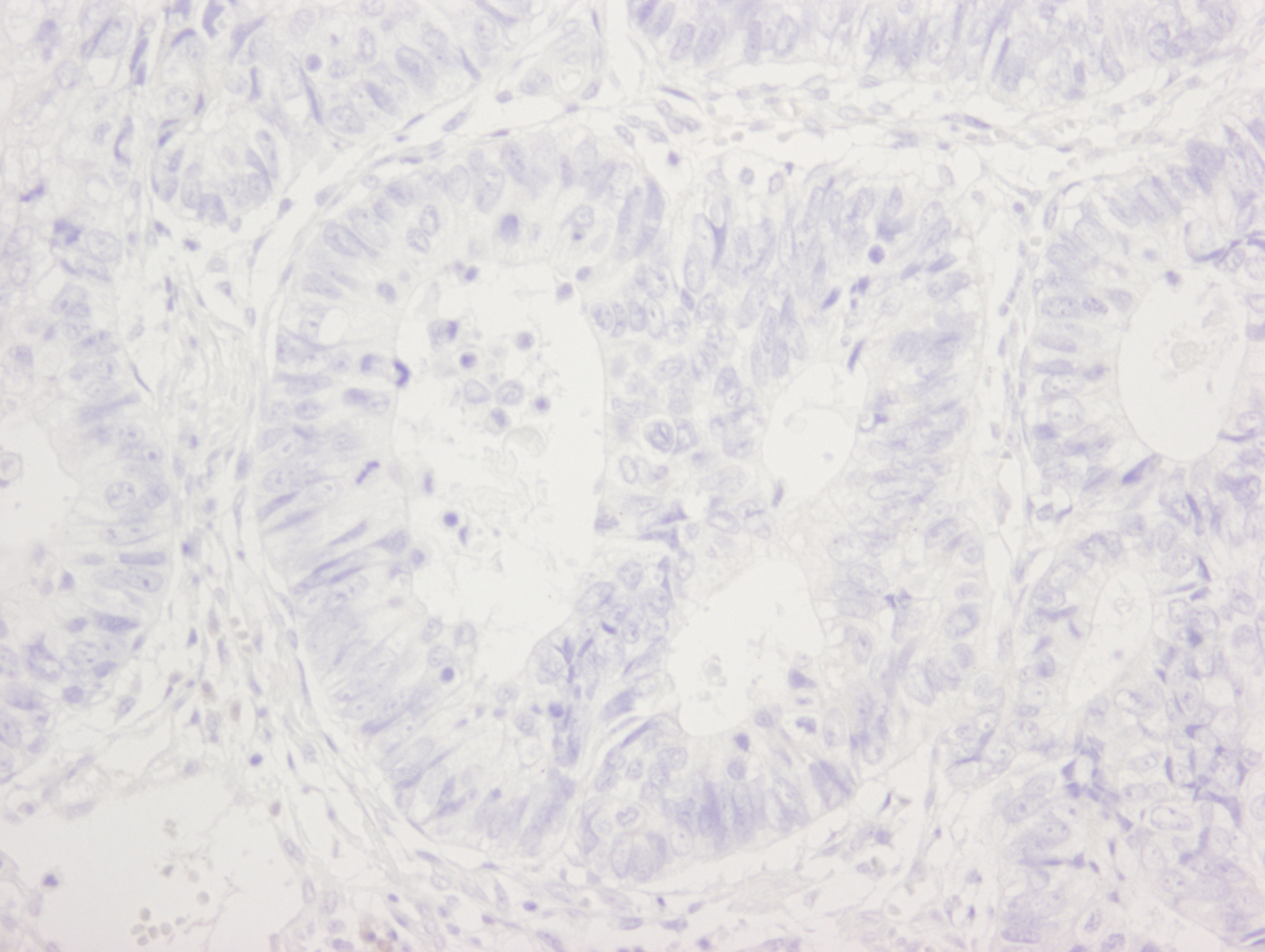
Image 1 of 1
local_shipping
Order within 5 hours and 7 minutes for shipment by today
Product Description
53BP1 (p53 Binding Protein 1) is an early participant in the cellular response to DNA double-strand breaks. 53BP1 functions in a redundant role in phosphorylation of the downstream checkpoint effector proteins Brca1 and Chk2 but was required for the formation of Brca1 foci in a hierarchical branched pathway for the recruitment of repair and signaling proteins to sites of DNA damage.
Specifications
Clonality
Polyclonal
Host
Rabbit
Immunogen
Surrounding serine 25
Isotype
IgG
Reactivity
Mouse, Human
Format
Whole IgG
Conjugate Type
Unconjugated
Purity
Antigen Affinity Purified
Concentration
100 µg/ml
Target Identity
Target53BP1 Phospho (S25)
Antigen Species
Human
Gene ID7158
Gene Symbol
TP53BP1
Gene Name
tumor protein p53 binding protein 1
Uniprot IDQ12888
Protein Name
Tumor suppressor p53-binding protein 1
Alternate Names
Product Information
Applications
IHC
Buffer
Tris-buffered Saline containing 0.1% BSA and 0.09% Sodium Azide
Storage Conditions
2 - 8 °C
Physical State
Liquid
Shelf Life
1 year from date of receipt
Country of Origin
USA
Production & Epitope
Antibody was affinity purified using an epitope specific to Phospho 53BP1 (S25) immobilized on solid support.
Immunogen for IHC-00053 was a phosphorylated synthetic peptide, which represented a portion of human p53 Binding Protein 1 (GeneID 7158) around serine 25 according to the numbering given in entry NP_005648.1.
Applications
Epitope exposure is recommended.
Immunohistochemistry (IHC)1:100 - 1:500
Documents
Safety Data SheetPDF · IHC-00053Open
Product DatasheetPDF · IHC-00053 · Lot 1 (current lot)Open
Product DatasheetPDF · IHC-00053 · Lot 1 (current lot)Open
Citations / Publications
Services
Antibody Conjugation
Antibody and conjugate formats developed together, built to your specification.
Request CustomizationCustom Monoclonal Antibody Discovery Services
Full custom monoclonal development, from immunization through validation.
Explore Monoclonal DevelopmentVHH Discovery
Single-domain antibodies for structurally difficult targets a conventional monoclonal can't reach.
Explore VHH DiscoveryResources



1